


















Trade Show Displays: Portable Options and Buying Guide
Share
A strong trade show presence rarely happens by accident. The best booths usually rely on a portable exhibition stand that fits the space, travels well, and still looks polished on the show floor. For exhibitors comparing trade show displays, the real challenge is choosing a format that balances fast setup, visual impact, and budget without creating extra work at each event. The sections below break down the main options, where each one performs best, and what to weigh before committing to a display solution.
What Trade Show Displays Are and Why They Matter
Trade show displays are branded structures used in events, exhibitions, and booth spaces to help a business stand out and communicate quickly. They support visibility, lead generation, and brand presence by giving attendees a clear reason to stop. Portability matters because trade shows move fast, and setup time can be tight. So does visual impact, since the booth has only a few seconds to earn attention. The comparison below focuses on the most practical portable exhibition stands.
Main Types of Portable Trade Show Displays
Banner Stands
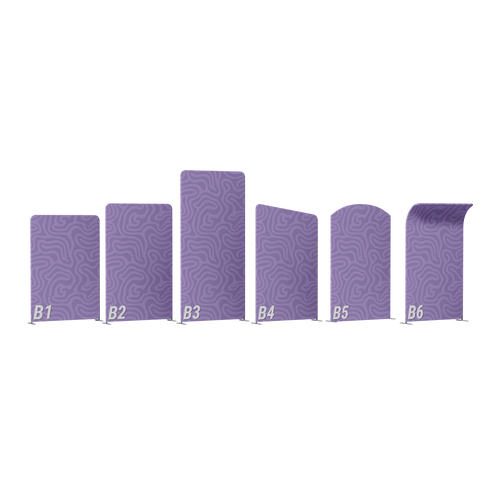
Banner stands are the simplest portable display option, which makes them useful for tight budgets and focused messaging. Retractable banner stands pack neatly into a case, set up quickly, and work well near entrances, registration areas, support tables, or smaller booth spaces. They are often the easiest choice for teams that need repeat use across multiple events.
Pop Up Displays and Fabric Displays
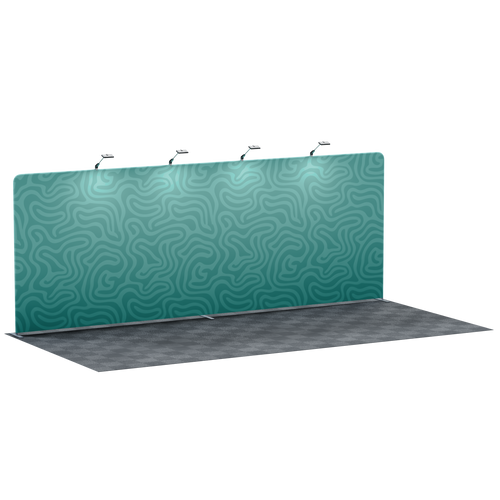
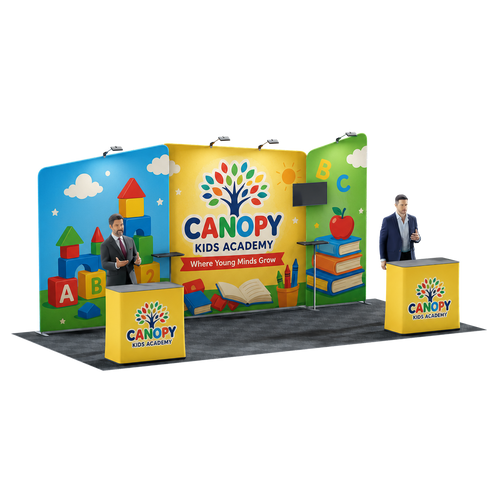
Pop up displays create a larger backdrop with a folding frame, while fabric displays use tension fabric graphics for a cleaner look. In practice, fabric graphics usually feel more modern and less segmented than panel-based systems. These portable exhibition displays are a smart middle ground for exhibitors who want a bigger visual statement without the cost or complexity of a custom build.
Tension Fabric and Light Box Displays
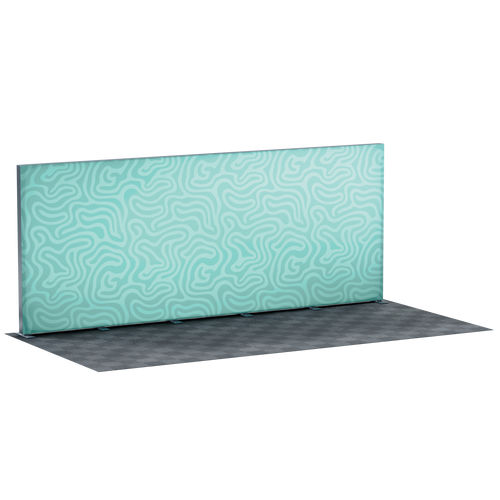
A tension fabric display delivers seamless graphics and a premium finish that reads well from a distance. Light box displays add illuminated impact, which can be useful in crowded halls where competing signage is everywhere. The trade-off is simple: these formats often look more refined, but the buyer still needs to compare portability, weight, and transport needs against presentation quality.
How to Choose the Best Display for Your Trade Show Booth
Match the Display to Your Booth Size and Event Type
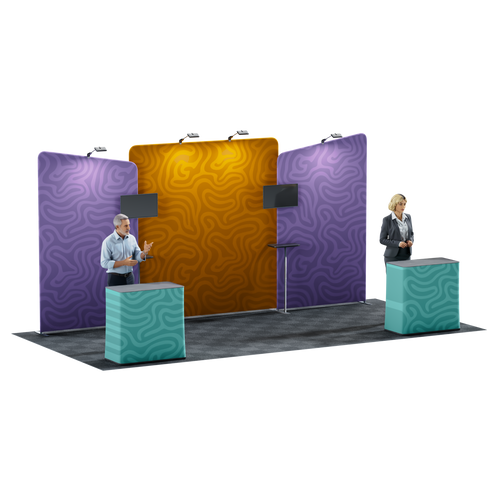
Booth dimensions shape almost every display decision. Inline booths usually need a focused backdrop, while corner booths can take advantage of side visibility. Larger island spaces may support modular exhibition stands or a combination of backwalls, counters, and banners. The best choice also depends on traffic patterns, because a display should guide attention from the aisle without overcrowding the booth.
Balance Portability, Setup Time, and Storage Needs
Some trade show displays are easy to carry but limited in presence, while others create a stronger booth but require more handling. Fast setup matters when a small team is working a short install window or arriving with limited labor. Lightweight components, compact cases, and quick locking hardware can reduce stress and make repeated event travel far easier over time.
Consider Graphic Quality and Brand Consistency
Sharp fabric graphics and consistent colors help a booth look credible before any conversation starts. A unified design also keeps the brand experience steady across different trade shows, even when the layout changes. Many exhibitors prefer systems with replaceable prints so messaging can be updated without replacing the entire frame, which improves flexibility and long-term value.
Portable Exhibition Stands vs Custom Trade Show Booths
Portable exhibition stands are usually the better fit for smaller budgets, frequent travel, and multi-event use because they cost less and turn around faster. Custom trade show booth options can deliver a more distinctive environment, but they often require more time, more storage, and a larger investment. For many businesses, portable displays are the starting point, and custom builds become worth considering only when the campaign is bigger or the exhibit space gets heavier traffic.
| Option | Best For | Trade-Off |
|---|---|---|
| Portable exhibition stand | Travel, flexibility, repeat use | Less architectural impact |
| Custom booth | Major campaigns, large exhibits | Higher cost and longer lead time |
Features That Improve Trade Show Display Performance
Fast Setup and Tool-Free Assembly
Tool-free connectors make event-day installation far less stressful, especially when the crew is small or the schedule is tight. Setup speed can also lower staffing costs because fewer people are needed to assemble the booth. Simple hardware reduces mistakes, which matters when every minute on site is expensive.
Lighting, Counters, and Accessories
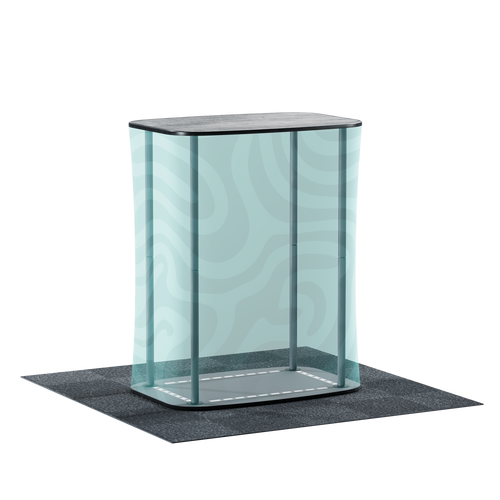
Lighting can make trade show displays feel more inviting and help products stand out in crowded aisles. Counters, brochure holders, and podiums support demos and conversations, turning a backdrop into a functional display solution. These add-ons do not need to be elaborate; even modest accessories can make a portable display feel complete and easier to use.
Durability for Multiple Events
Durable construction pays off when the same system travels from one city to the next. Washable fabrics, sturdy frames, and replaceable graphics help protect the investment across multiple events. Buyers should look for materials that resist wear, pack well, and keep their shape after repeated dismantling and transport.
Budgeting for Trade Show Displays
Pricing usually rises with size, premium materials, lighting, and customization. Entry-level banner stands sit at the low end, while premium exhibition stands with tension fabric graphics or SEG lightbox displays cost more. It is smart to budget for graphics updates, shipping, and accessories as well, since those costs often shape the real total. The best display is not always the cheapest one upfront; it is the one that delivers the strongest long-term value.
Best Practices for a Stronger Trade Show Presence
Design for Visibility and Visual Impact
Bold headlines, clean layouts, and high-resolution graphics help a booth register quickly. A single clear message usually works better than a crowded wall of text, especially on the show floor where attention is limited. Strong visual hierarchy makes the brand easier to remember and improves booth traffic because attendees can understand the offer at a glance.
Plan for Lead Generation and Engagement
A display should do more than look good; it should support real conversations, demos, and contact capture. Key products, messaging, and lead-generation touchpoints need to sit within easy reach so staff can keep interactions moving. An organized booth also makes it easier for the team to greet visitors confidently, which improves the overall experience.
Choosing the Right Portable Display Solution: Final Tips
The best portable exhibition stand is the one that matches event goals, budget, and how often the team travels. Prioritize portability, setup speed, and graphic quality, then compare display types based on booth size and brand needs. For many exhibitors, the right trade show displays are the ones that make every event easier while still delivering a polished, professional presence.
